Restaurants · 21 of the best in the Maldives
Maldivian Cuisine
The back story

Photo Credit
Image courtesy of © Satdeep Gill · CC BY-SA 4.0 via Wikimedia CommonsAbout Maldivian Cuisine
Are you planning a trip to the Maldives, trying to find an authentic local restaurant, or looking for a traditional recipe to cook at home? This is our guide to Dhivehi cooking, from the island larder to the dishes worth ordering.
Maldivian cuisine
Maldivian, or Dhivehi, cuisine is shaped above all by island geography: a nation of coral atolls in the Indian Ocean, where the sea and the coconut palm provide almost everything. Centuries of trade brought influences from India, Sri Lanka and the Middle East, and you taste all three in the curries, the flatbreads and the generous use of chilli and lime. Everything rests on three staples: fish, coconuts and starches such as rice, taro, sweet potato and breadfruit. Of these, tuna is the undisputed star.
The pillars of Maldivian food
Learn the three pillars and every menu on the islands makes sense.
Fish, coconuts and starches: three staples, with tuna the undisputed star.
The fish
Tuna comes first: skipjack (kandumas), traditionally caught by pole and line, then yellowfin, frigate tuna and little tunny. It is eaten fresh, smoked, sun-dried or boiled down. Sun-dried tuna, valhoamas or “Maldives fish”, is boiled, smoked and dried until dark and firm, then shaved or flaked into snacks and sambols; the broth left behind is boiled down into rihaakuru, the islands’ treasured paste. Raw fish, however, has never been part of the tradition.
The coconut
Coconut is used at every stage of its life. Young, tender flesh goes into sweets such as Addu bondi; the mature nut is grated, traditionally on a hunigondi, a long, low seat with a serrated blade at one end, or soaked and squeezed for coconut milk, kaashi kiru, the base of most curries. The sap of the palm is boiled down into dhiyaa hakuru, a thick, honey-like syrup for sweetening.
The aromatics
The heat comes from githeyo mirus, the Maldivian name for the Scotch bonnet chilli: small, fragrant and fiercely hot, so use it sparingly. Curry leaves, onion, lime and ginger complete the essential seasonings, bringing brightness to the richness of fish and coconut.
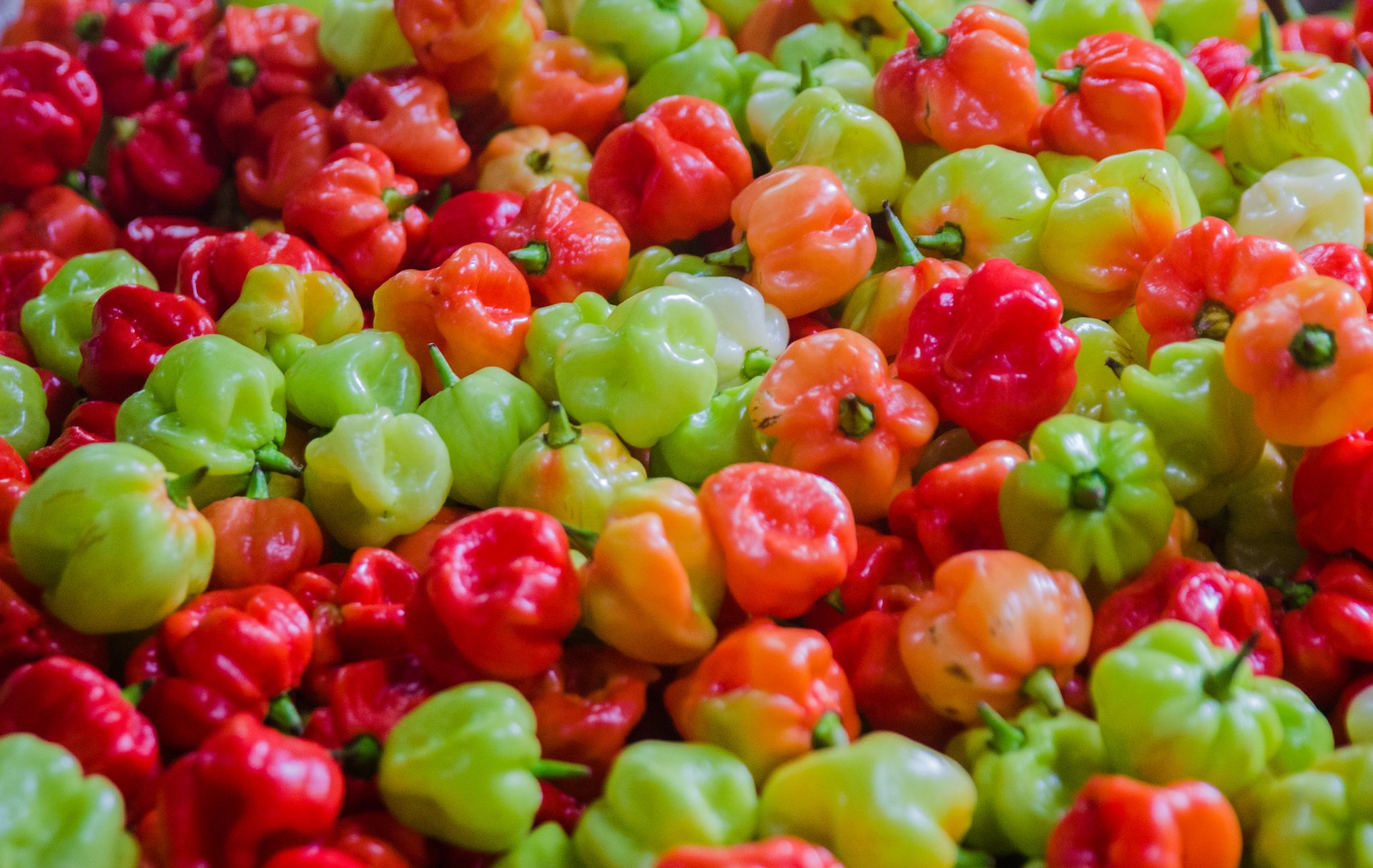
Photo Credit
Image courtesy of © Ashwin Kumar, CC BY-SA 2.0, via FlickrSignature dishes to try
Order these and you will have tasted the islands’ repertoire, from breakfast to pudding.
Breakfast: mas huni
The classic Maldivian breakfast is mas huni: smoked or canned tuna finely mixed with grated coconut, onion, lime and chilli until moist and fragrant. It is scooped up with roshi, a warm, thin flatbread torn by hand, and served with a cup of sweet tea. Ask for extra roshi; you will want it.
National soup: garudhiya
Garudhiya, often called the national dish, is a clear, fragrant tuna broth, simmered in salted water and skimmed until it runs clear. It is served with rice, and you season your own bowl at the table with lime, onion and chilli, sometimes a few curry leaves. With steamed taro or breadfruit in place of rice, it comes with grated coconut.

Photo Credit
Image courtesy of © LittleT889 · CC BY 4.0 via Wikimedia CommonsCurries and pastes: mas riha and rihaakuru
Mas riha, the most important curry on the islands, is diced fresh tuna in a rich, spiced coconut-milk sauce, eaten with rice or roshi. Look out, too, for kandu kukulhu, tuna fillets rolled in spice paste and simmered in coconut milk.

Photo Credit
Image courtesy of © Satdeep Gill · CC BY-SA 4.0 via Wikimedia CommonsRihaakuru is a thick, salty, dark brown tuna paste, the broth from making Maldives fish reduced over many hours. It has been eaten almost daily in Maldivian homes for generations, and a little goes a long way: try a spoonful with rice, onion, chilli and lime.
Short eats (hedhikaa): gulha and bis keemiya
Hedhikaa are the Maldives’ short eats, savoury and sweet snacks laid out on café counters and eaten with hot black tea. Gulha are small fried balls filled with a mixture of fish, coconut, onion and chilli. Bis keemiya is a pastry filled with cabbage, onion and hard-boiled egg, sometimes with tuna. Order a mix, with masroshi, flatbreads stuffed with tuna and coconut, and share the plate.
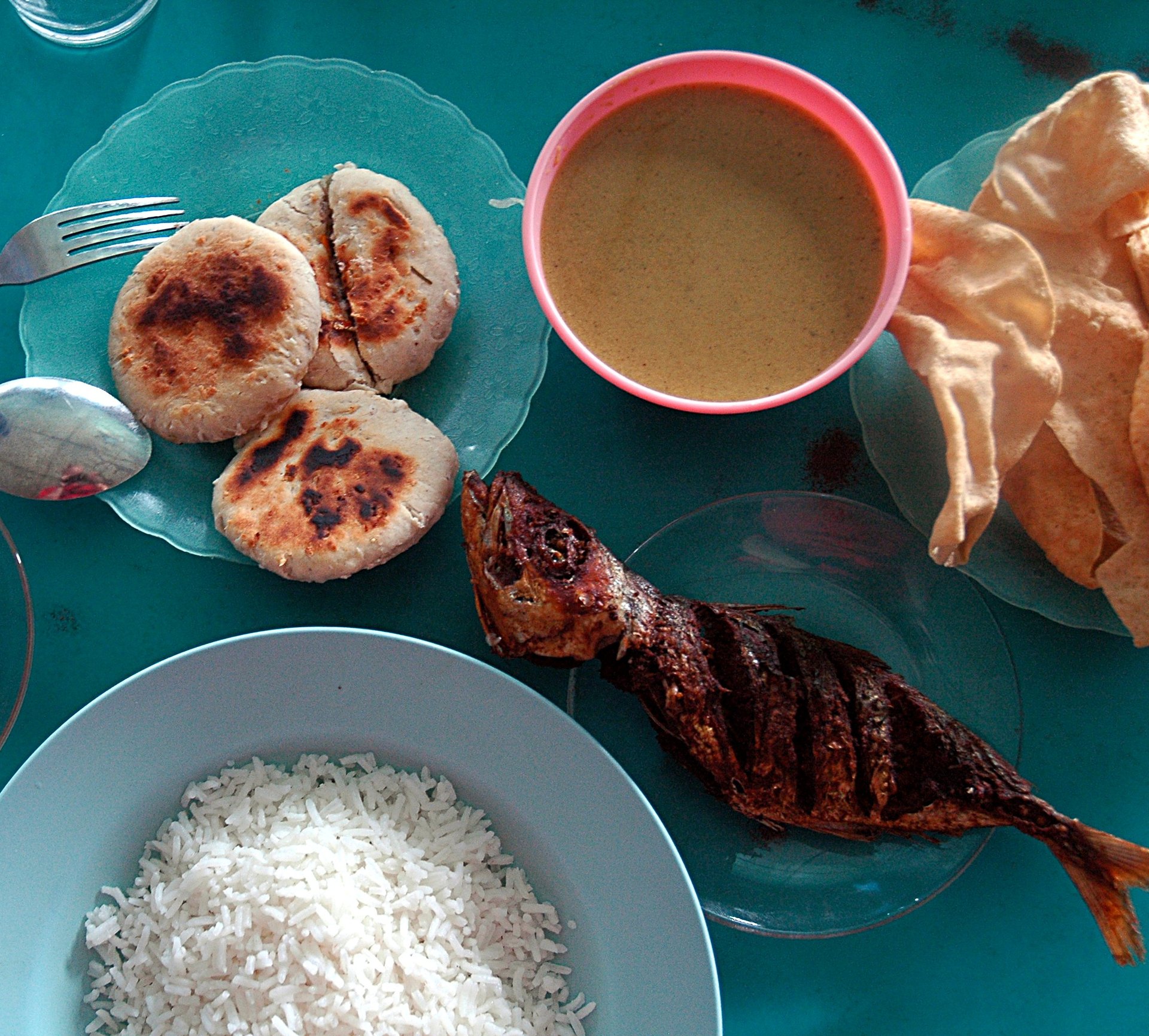
Photo Credit
Image courtesy of © Jpatokal (Wikivoyage), CC BY-SA 4.0, via Wikimedia CommonsDesserts: saagu bondibai
Saagu bondibai is a sago pudding cooked in coconut milk until soft and translucent, sweetened, often with condensed milk, and scented with rosewater: creamy, delicate and a soothing finish after a meal full of chilli.
Where to taste it
For the real thing, head to a hotaa, one of the simple local cafés of Malé and the inhabited islands, or stay a night or two in a guesthouse on a local island for home cooking. Many resorts hold Maldivian nights, and Kaagé at VARU by Atmosphere in North Malé Atoll builds its whole menu around Maldivian recipes and offers private cooking classes. To cook at home, start with mas huni: tuna, freshly grated coconut, onion, chilli, lime and salt, served with warm flatbread.
Our advice: start the day with mas huni and roshi, take afternoon tea with hedhikaa in a Malé hotaa, and book a Maldivian night or a table at Kaagé to taste the whole repertoire in one evening.
Why it's on our list
- Maldivian cuisine
- The fish
- The coconut
- The aromatics
- Breakfast: mas huni
- National soup: garudhiya
- Curries and pastes
- Short eats
- Desserts
- Where to taste it
Opening hours, prices and seasonal openings change, so please check with Maldivian Cuisine before you go.