The back story
Black tea and a cold sweet: the Maldivian café, the back story
Tea shops and hedhika, a sober sweet toddy, Malé’s coffee hours and the resort ice-cream rooms.
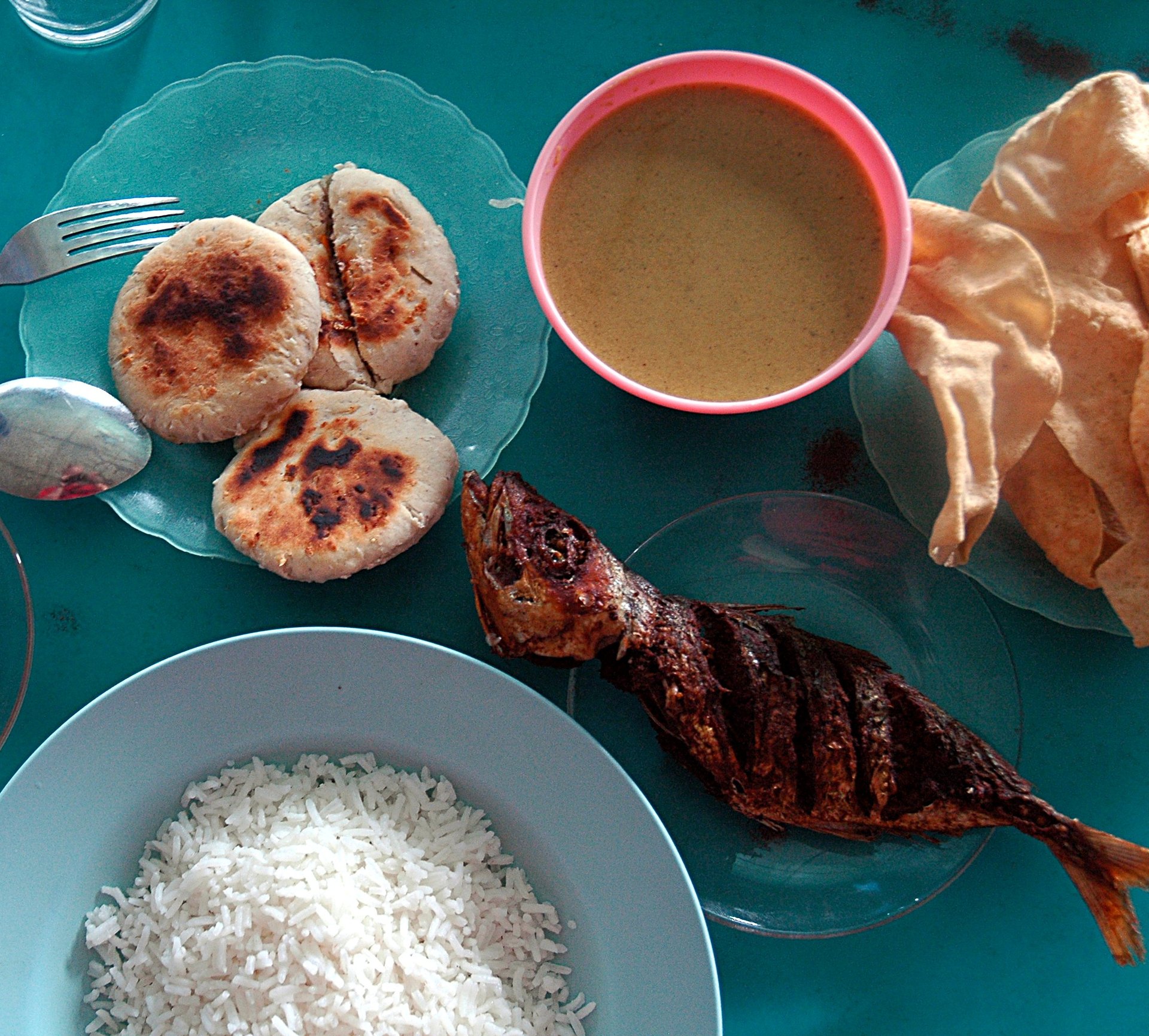
Photo Credit
Image courtesy of © Jpatokal (Wikivoyage), CC BY-SA 4.0, via Wikimedia CommonsWhat does a café mean in a country where the evening drink is tea and the bar is on another island? In the Maldives it means the island tea shop, a plate of hedhika and a cup of hot black tea, and, more recently, espresso in Malé and ice-cream rooms that never close at the resorts. Here is how the islands take their break, from official sources checked in November 2026.
Tea first, always
The Maldivian café began as a tea shop. Visit Maldives says almost every island has at least one restaurant and many small tea shops, and that is where islanders meet. The drink is hot black tea, and the ritual is the evening: tea time, the tourism board says, is an entire affair in the Maldives. Its guesthouse guide pictures visitors on local-island beaches doing exactly that, sipping a cup of tea over a plate of hedhika.
There is a reason the tea shop matters more here than elsewhere. Alcohol is not served on the inhabited islands, so the place where a community gathers after work is the one that pours tea. In a country where the bar is on another island, the café has never had to compete with the pub.
Hedhika: the art of the short eat
Tea comes with hedhika, the short eats Visit Maldives calls a Maldivian speciality, found in almost all tea shops and homes: an assortment of little pastries filled with vegetables and tuna. Bajiya are close to Indian samosas and can take the same tuna mix; gulha are tuna balls filled with tuna, coconut, onions, chillies and lime. Tasting hedhika is one of Visit Maldives’ 50 ultimate experiences.
Breakfast has its own pairing. Mashuni, coconut flakes, lime, chillies and flaky tuna, comes with roshi, the Maldivian flatbread, and a hot cup of black tea; a vegan version swaps the tuna for mashed pumpkin. Hedhika are snacks, but the order in which they arrive at the counter is something closer to a liturgy.
Sweet, cold and sober
The islands’ sweet drinks are older than any espresso machine. Visit Maldives describes ruku raa as a sweet, non-alcoholic drink, and dhiyaa hakuru, a liquid toddy sugar made by heating it, which can sweeten Addu bondi, a coconut snack scented with jasmine or rose water. Hedhika can also be washed down, it suggests, with an ice-cold glass of fresh screwpine juice.
That taste for the cold and sweet has found its way into the resorts. At Gili Lankanfushi the poolside café is called Fini Foni, which, the resort explains, means “cold sweet” in Dhivehi, and its popsicles and ice cream are handmade from natural ingredients. At Soneva Fushi, The Chocolate Room makes chocolates, ice creams and sorbets by hand every day, and its sweet rooms are open around the clock.
In a country where the bar is on another island, the café has never had to compete with the pub.
Coffee comes to the capital
In Malé, coffee has caught up with tea. Shell Beans, in the Jazeera Building on Boduthakurufaanu Magu, pairs a long coffee list, from Spanish lattes to iced hazelnut lattes, with an all-day menu. Its hours tell you about the city: 7am to 11pm from Saturday to Thursday, but only from 2.30pm on Fridays.
The menu is a map of the capital’s appetite: breakfast, Japanese and Asian plates, burgers, quesadillas and kotthu, the chopped-roti dish familiar from Sri Lanka, beside iced teas, smoothies and milkshakes. Malé’s café has become a place to eat as much as to drink, and in a city this crowded, a table with a window is a luxury in its own right.
On the airport island, Faru Coffee House at the Hulhulé Island Hotel is open 24 hours with 60 seats, the answer to a dawn landing or a late seaplane. At Kandima in Dhaalu Atoll, Aroma Café sits over a natural lake and takes its beans from the highlands of southern Ethiopia and from family growers in Indonesia, open daily from 10am to 6pm.
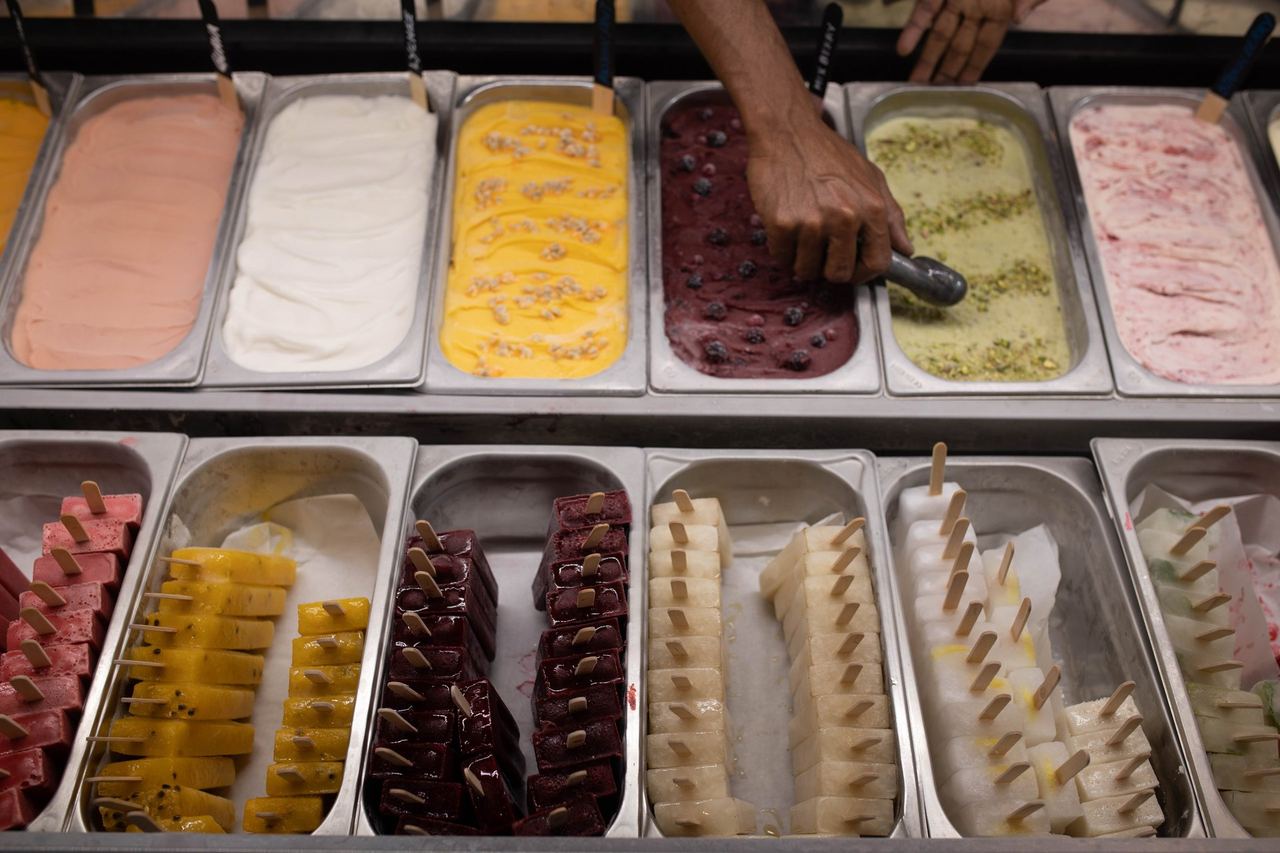
Photo Credit
Image courtesy of © Gili LankanfushiOur advice: on a local island, order tea and a plate of hedhika in the late afternoon, when the tea shops are busiest, and eat what the table beside you is eating. Save the espresso for Malé and the ice cream for the resort, where nobody counts the scoops.
Why it's on our list
- Tea first, always
- Hedhika: the art of the short eat
- Sweet, cold and sober
- Coffee comes to the capital
Location
The map comes from Google Maps, which sets its own cookies once it loads.
More in depth
 The back storyLicensed to the lagoon: how the Maldives learned to drink offshore, the back storyFrom the first resort in 1972 to overwater bars and a cellar underground: drinking, Maldivian style.
 The back storyTwo firsts and a last boat: Maldives nightlife, the back storyAn underwater club, a self-styled first nightclub and Kandima’s long evening: the islands at night.
 The back storyHow to choose your atoll and resortHow to pick the right atoll and resort, and what to ask before you book.